
mehFILM: Double indemnity (1944)

Hello and welcome dear friends and cinema lovers. 

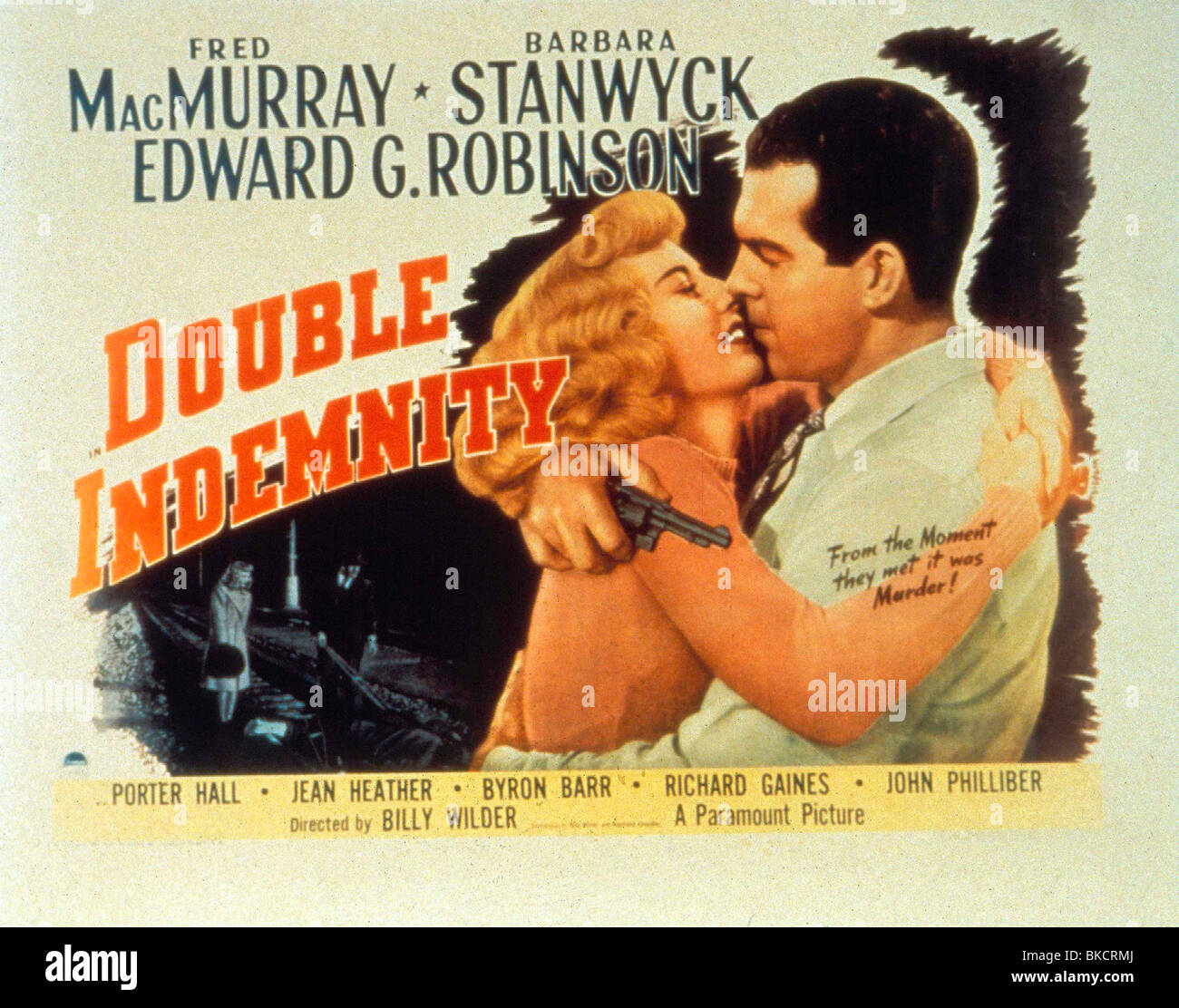
Today I will talk about the 1944 Noir film Double Indemnity directed by celebrated Billy Wilder. The film was adapted from the novel of the same name by James M. Cain.

GENRE: FILM NOIR

DURATION: 107 Minutes

WHAT IS IT ABOUT?

Released in 1944, Double Indemnity is a classic film noir directed by Billy Wilder, a defining masterpiece of the genre. Adapted from James M. Cain’s novella, with a screenplay by Wilder and Raymond Chandler, it tells a dark tale of greed, betrayal, and murder.

The story follows Walter Neff, an insurance salesman played by Fred MacMurray, who gets entangled in a deadly scheme. Late one night, wounded and desperate, Neff narrates his confession into a Dictaphone, revealing how he fell for the seductive Phyllis Dietrichson, portrayed by Barbara Stanwyck.

Phyllis, a femme fatale, lures Neff into a plot to kill her husband for a double indemnity insurance payout—a clause that doubles the money if the death is accidental, like falling off a train. Together, they craft what seems like the perfect murder.

But their plan unravels as Barton Keyes, Neff’s colleague and a sharp claims investigator played by Edward G. Robinson, senses foul play. As Keyes digs deeper, mistrust grows between Neff and Phyllis, leading to a tense and tragic showdown.

With its sharp dialogue, moody cinematography by John Seitz, and a haunting score by MiklÃģs RÃģzsa, Double Indemnity set the standard for film noir. It’s a gripping story of moral decay, where no one truly wins. A must-watch classic that still resonates today.

WHY SHOULD WE WATCH IT?

The film, Double Indemnity, is a must-watch for its pivotal role in defining film noir and its enduring storytelling brilliance.

  • It’s a cornerstone of the noir genre, blending crime, moral ambiguity, and psychological tension. Its dark, cynical tone and shadowy aesthetics set a template for countless films to come. Unlike typical 1940s films, it doesn’t moralize. The characters’ flaws and choices drive the tragedy, offering a complex view of human nature that was daring for its time.
  • Based on James M. Cain’s novella, the tight narrative, told in flashback, keeps you hooked with its twists and moral decay. The use of a confessional flashback, narrated by a doomed protagonist, was groundbreaking. Neff’s voiceover, dictating his crimes to Keyes, adds a layer of fatalistic intimacy. The detailed depiction of insurance scams, inspired by a real 1927 case, adds a unique layer of realism. Keyes’ actuarial obsession with spotting fraud is a standout subplot.
  • Nominated for seven Oscars, it’s a masterclass in 1940s Hollywood storytelling, reflecting post-Depression anxieties and wartime cynicism. Its influence persists in modern thrillers like “Body Heat” or “Gone Girl.”
  • Stanwyck’s chilling yet seductive Phyllis and MacMurray’s everyman-turned-villain Neff deliver iconic performances, grounded by Edward G. Robinson’s dogged investigator Barton Keyes. Phyllis Dietrichson is one of cinema’s definitive femme fatales—calculating, alluring, and ruthless. Stanwyck’s performance, complete with her iconic anklet and blonde wig, elevates the character into a cultural icon.
  • Wilder’s direction, combined with sharp dialogue (co-written with Raymond Chandler) and John Seitz’s cinematography, creates a gripping, stylish experience that holds up even today. The scriptcrackles with witty, hard-boiled exchanges. Lines like “I killed him for money and a woman—and I didn’t get the money, and I didn’t get the woman” are unforgettable. The film’s low-key lighting, venetian blind shadows, and claustrophobic framing create a noir aesthetic that’s both stylish and oppressive, reflecting the characters’ entrapment. The dynamic between Neff, Phyllis, and Keyes crackles with subtext—romantic, adversarial, and fraternal. The “father-son” bond between Neff and Keyes adds emotional depth to the betrayal.
  • Made under the strict Hays Code, the film cleverly navigates restrictions on sex and violence through innuendo and suggestion, making its boldness even more impressive.
  • Modern Blu-ray releases (like the Criterion Collection) showcase the film’s crisp black-and-white visuals and clear sound, enhancing its appeal for new viewers.
  • Its themes of greed, betrayal, and consequence transcend its era, resonating with anyone who enjoys psychological thrillers or character-driven dramas.

If you love taut storytelling, complex characters, or the roots of noir, Double Indemnity is essential viewing. Its exclusive blend of narrative innovation, iconic performances, and visual mastery makes it a timeless classic. I give this film 8 out of 10 stars. You can watch the film on Amazon Prime Video.


That is all for today. Stay tuned for more meh-FILM.

Thank you

Comments

Popular posts from this blog

āŠ—ુāŠœāŠ°ાāŠĪી āŠŦિāŠē્āŠŪો : ‘āŠ•ંāŠ•ુ’, ‘āŠ­āŠĩāŠĻી āŠ­āŠĩાāŠˆ’ āŠ…āŠĻે ‘āŠ§ાāŠĄ’āŠĻા āŠļંāŠĶāŠ°્āŠ­ે

  āŠ†āŠŪ āŠœોāŠˆāŠ āŠĪો āŠ—ુāŠœāŠ°ાāŠĪી āŠŦિāŠē્āŠŪ āŠ‡āŠĻ્āŠĄāŠļ્āŠŸ્āŠ°ી āŠ–ૂāŠŽ āŠœૂāŠĻી āŠ›ે āŠ…āŠĻે āŠ•ેāŠŸāŠēાāŠŊ āŠŪāŠđāŠĪ્āŠĩāŠĻા āŠ•āŠēાāŠ•ાāŠ°ો āŠ…āŠĻે āŠŦિāŠē્āŠŪો āŠ†āŠŠી āŠšૂāŠ•ી āŠ›ે. āŠŠāŠ°ંāŠĪુ āŠ†āŠœેāŠŊ āŠ āŠ°ાāŠ·્āŠŸ્āŠ°ીāŠŊ-āŠ†ંāŠĪāŠ°āŠ°ાāŠ·્āŠŸ્āŠ°ીāŠŊ āŠļ્āŠĪāŠ° āŠŠāŠ° āŠ–ૂāŠŽ āŠœ āŠŠાāŠ›āŠģ āŠĶેāŠ–ાāŠŊ āŠ›ે. āŠ…āŠđીં , āŠđું āŠĪ્āŠ°āŠĢ āŠ—ુāŠœāŠ°ાāŠĪી āŠŦિāŠē્āŠŪો ‘ āŠ­āŠĩāŠĻી āŠ­āŠĩાāŠˆ ’ , ‘āŠ•ંāŠ•ુ ’ āŠ…āŠĻે ‘ āŠ§ાāŠĄ ’ āŠĩિāŠķે āŠĩાāŠĪ āŠ•āŠ°ીāŠķ, āŠ…āŠĻે āŠ—ુāŠœāŠ°ાāŠĪી āŠŦિāŠē્āŠŪોāŠĻાં āŠŠāŠŸ āŠŠāŠ° āŠĪેāŠŪāŠĻાં āŠŪāŠđāŠĪ્āŠĩ āŠĩિāŠķે āŠĩાāŠĪ āŠ•āŠ°āŠĩાāŠĻો āŠĻાāŠĻāŠ•āŠĄો āŠŠ્āŠ°āŠŊાāŠļ āŠ•āŠ°ીāŠķ. āŠ­āŠĩāŠĻી āŠ­āŠĩાāŠˆ (āŦ§āŦŊāŦŪāŦĶ) āŠ•ેāŠĪāŠĻ āŠŪāŠđેāŠĪા āŠĶ્āŠĩાāŠ°ા āŠĶિāŠ—્āŠĶāŠ°્āŠķિāŠĪ āŠŦિāŠē્āŠŪ ‘ āŠ­āŠĩāŠĻી āŠ­āŠĩાāŠˆ ’ āŦ§āŦŊāŦŪāŦĶāŠŪાં āŠŠ્āŠ°āŠĶāŠ°્āŠķિāŠĪ āŠĨāŠˆ āŠđāŠĪી āŠœે āŠ§ીāŠ°ુāŠŽāŠđેāŠĻ āŠŠāŠŸેāŠēāŠĻા āŠĻાāŠŸāŠ• āŠŠāŠ° āŠ†āŠ§ાāŠ°િāŠĪ āŠđāŠĪી , āŠ…āŠĻે āŠœાāŠĪિāŠĩાāŠĶāŠĻા āŠŪુāŠĶ્āŠĶા āŠĩિāŠķે āŠ–ૂāŠŽ āŠœ āŠ°āŠļāŠŠ્āŠ°āŠĶ āŠ°ીāŠĪે āŠĩાāŠĪ āŠ•āŠ°ે āŠ›ે. āŠ† āŠŦિāŠē્āŠŪāŠĻે āŠ°ાāŠ·્āŠŸ્āŠ°ીāŠŊ āŠ…āŠĻે āŠ†ંāŠĪāŠ°āŠ°ાāŠ·્āŠŸ્āŠ°ીāŠŊ āŠļ્āŠĪāŠ° āŠŠāŠ° āŠ–્āŠŊાāŠĪિ āŠŠ્āŠ°ાāŠŠ્āŠĪ āŠĨāŠˆ āŠ›ે. āŠŪાāŠ°ા āŠŪાāŠŸે āŠŦિāŠē્āŠŪāŠĻું āŠļāŠđુāŠĨી āŠŪāŠđāŠĪ્āŠĩāŠĻું āŠĶૃāŠķ્āŠŊ āŠķāŠ°ૂāŠ†āŠĪāŠĻી āŦŽ āŠļેāŠ•āŠĻ્āŠĄ્āŠļāŠŪાં āŠœ āŠœોāŠĩા āŠŪāŠģે āŠ›ે; āŠ āŠ•āŠđે āŠ›ે, āŠ…āŠļાāŠˆāŠĪ āŠ ાāŠ•ોāŠ° āŠ…āŠĻે āŠŽેāŠ°્āŠĪોāŠē āŠŽ્āŠ°ેāŠ–્āŠĪāŠĻે āŠļāŠŪāŠ°્āŠŠિāŠĪ. āŠ† āŠāŠ• āŠŦ્āŠ°ેāŠŪ āŠŦિāŠē્āŠŪāŠĻે āŠ—ુāŠœāŠ°ાāŠĪી āŠ…āŠĻે āŠĩૈāŠķ્āŠĩિāŠ• āŠĻાāŠŸ્āŠŊāŠŠāŠ°ંāŠŠāŠ°ા āŠļાāŠĨે āŠœોāŠĄી āŠ†āŠŠે āŠ›ે. ‘āŠ­āŠĩāŠĻી āŠ­āŠĩાāŠˆ’ (āŠĶિ. āŠŪāŠđેāŠĪા , āŦ§āŦŊāŦŪāŦĶ)       āŠŦિāŠē્āŠŪ āŠŠોāŠĪાāŠĻી āŠĩાāŠĪ āŠ•āŠđેāŠĩાāŠŪાં āŠ­āŠĩાāŠˆ āŠĻાāŠŸ્āŠŊāŠŠāŠ°ંāŠŠāŠ°ાāŠĻો āŠ‰āŠŠāŠŊોāŠ— āŠ•āŠ°ે āŠ›ે, āŠ…āŠĻે āŠāŠ• āŠĻāŠĩી āŠœ āŠĻેāŠ°ેāŠŸીāŠĩ āŠŠāŠĶ્āŠ§āŠĪિ...

"āŠ§ુāŠģāŠ•ી āŠĪાāŠ°ી āŠŪાāŠŊા āŠēાāŠ—ી": āŠāŠ• āŠ…āŠĩāŠēોāŠ•āŠĻ

āŠŦિāŠē્āŠŪ “ āŠ§ુāŠģāŠ•ી āŠĪાāŠ°ી āŠŪાāŠŊા āŠēાāŠ—ી ” āŠ°ાāŠ āŠĩા āŠļāŠŪાāŠœāŠĻી āŠāŠ• āŠŊુāŠĩāŠĪી , āŠ§ુāŠģāŠ•ી , āŠĻી āŠĩાāŠĪ āŠ•āŠ°ે āŠ›ે . āŠ† āŠŦિāŠē્āŠŪ ‘ āŠ°ાāŠ  ’ āŠĩિāŠļ્āŠĪાāŠ° āŠĪāŠ°ીāŠ•ે āŠ“āŠģāŠ–āŠĪા āŠ›ોāŠŸાāŠ‰āŠĶેāŠŠુāŠ° , āŠŠાāŠĩીāŠœેāŠĪāŠŠુāŠ° , āŠĻāŠļāŠĩાāŠĄી , āŠŽોāŠĄેāŠēી , āŠĩāŠ—ેāŠ°ે āŠœેāŠĩા āŠ—ાāŠŪāŠĄાંāŠ“āŠŪાં āŠ–ૂāŠŽ āŠļāŠŦāŠģ āŠĨāŠ‡ āŠđāŠĪી . āŠ† āŠĩિāŠļ્āŠĪાāŠ°āŠĻા āŠļિāŠĻેāŠŪાāŠ˜āŠ°ોāŠŪાં , āŠœ્āŠŊાં āŠŦિāŠē્āŠŪ āŠŦāŠ•્āŠĪ āŠĪ્āŠ°āŠĢ āŠĶિāŠĩāŠļ āŠšાāŠēāŠĪી , āŠ† āŠŦિāŠē્āŠŪ āŠŪāŠđિāŠĻાāŠ“ āŠļુāŠ§ી āŠšાāŠēી . āŠŠāŠ°ંāŠĪુ , āŠŪાāŠ°ા āŠ•ેāŠŸāŠēાāŠ• āŠŪાāŠđિāŠĪીāŠĶાāŠĪાāŠ“āŠĻા āŠŪāŠĪ āŠ…āŠĻુāŠļાāŠ° āŠ† āŠŦિāŠē્āŠŪ āŠ°ાāŠ āŠĩા āŠļāŠŪાāŠœ āŠĩિāŠ·ે āŠĻ āŠđāŠĪી . āŠĪો āŠŠāŠ›ી āŠ† āŠŦિāŠē્āŠŪ āŠ•ેāŠŸāŠēાāŠ• āŠšોāŠ•્āŠ•āŠļ āŠĩિāŠļ્āŠĪાāŠ°ોāŠŪાં āŠœ āŠ†āŠŸāŠēી āŠļāŠŦāŠģ āŠ•ેāŠŪ āŠĨāŠ‡ ? āŠŠ્āŠ°āŠļ્āŠĪુāŠĪ āŠŠેāŠŠāŠ° āŠāŠĻા āŠ•ેāŠŸāŠēાāŠ• āŠ•ાāŠ°āŠĢો āŠĩિāŠ·ે āŠĩાāŠĪ āŠ•āŠ°āŠķે , āŠ…āŠĻે āŠŦિāŠē્āŠŪāŠŪાં ‘ āŠ°ાāŠ āŠĩા ’ āŠ“āŠģāŠ– āŠ•āŠˆ āŠ°ીāŠĪે āŠ‰āŠ­ી āŠ•āŠ°āŠĩાāŠŪાં āŠ†āŠĩી āŠ›ે āŠĪેāŠĻા āŠĩિāŠ·ે āŠĩાāŠĪ āŠ•āŠ°āŠķે . āŠļાāŠŪાāŠœીāŠ• āŠ°ીāŠĪે āŠŠāŠ›ાāŠĪ āŠĩāŠ°્āŠ—āŠĻી āŠ‰āŠŠāŠēા āŠĩāŠ°્āŠ— āŠĪāŠ°āŠŦāŠĻી āŠ—āŠĪિ āŠœે āŠŦિāŠē્āŠŪāŠĻી āŠŪુāŠ–્āŠŊ āŠ•āŠĨાāŠĻો āŠ—āŠ°્āŠ­ીāŠĪાāŠ°્āŠĨ āŠ›ે , āŠœે āŠŦિāŠē્āŠŪāŠĻું āŠ…āŠĻ્āŠŊ āŠŠાāŠļુ āŠ°āŠœુ āŠ•āŠ°ે āŠ›ે . āŠĪāŠĶુāŠŠāŠ°ાંāŠĪ , āŠ†āŠŠāŠĢે āŠŦિāŠē્āŠŪ āŠ…āŠĻે āŠļāŠŪાāŠœāŠŪાં āŠŠ્āŠ°āŠļ્āŠĨાāŠŠિāŠĪ āŠŪાāŠēીāŠ•્āŠĩāŠ°્āŠ— āŠ…āŠĻે āŠŠીāŠĄીāŠĪāŠĩāŠ°્āŠ— āŠĩāŠš્āŠšેāŠĻા āŠŠાāŠ°āŠļ્āŠŠāŠ°િāŠ• āŠļંāŠŽંāŠ§ોāŠĻે āŠŠāŠĢ āŠœોāŠˆāŠķું . ***                 āŠŪાāŠĢāŠļ āŠļāŠđુāŠĨી āŠŠāŠđેāŠēા āŠāŠ• āŠŪાāŠĢāŠļ āŠ›ે , āŠ§āŠ°્āŠŪ , āŠœાāŠĪિ , āŠĩંāŠķ , āŠŽāŠ§ું āŠœ āŠĪેāŠĻી āŠŪાāŠĻāŠĩāŠĪા āŠ…āŠĻે āŠŪાāŠĻāŠĩāŠ§āŠ°્āŠŪ āŠļાāŠŪે āŠ—ૌāŠĢ āŠ›ે . āŠ†āŠĩો āŠļāŠ°āŠļ āŠļંāŠĶેāŠķો āŠ°āŠœુ āŠ•āŠ°āŠĪી...

Mikhail Bakhtin and his Dialogic Imagination

Book: The Dialogic Imagination: Four Essays (1981) Author: M. M. Bakhtin Translated by: Caryl Emerson & Michael Holquist Edited: Michael Holquist Austin & London: University of Texas Press "The Dialogic Imagination: Four Essays" by Mikhail Bakhtin is already considered a classic not only from the perspective of literary genre but also as an important work on the philosophy of language. The present book contains the four essays: 1. Epic and Novel, 2. From the Prehistory of Novelistic Discourse, 3. Forms of Time and of the Chronotope in the Novel, 4. Discourse in the Novel and an Introduction and Glossary by the editor. The essays are a commentary on the  historical development of novel form and how it is different from the other literary form. His argument is that as the novel form is different from the other literary forms, we need a different type of stylistic and poetic analysis and dogmas for that in order to truly evaluate the Novel. He tries ...