
iReview: Education and Economics

Hello

Today,  I would like to talk about Chapter 14 from the book Education and the Social Order by Bertrand Russell. The title of the chapter is "Education and Economics".
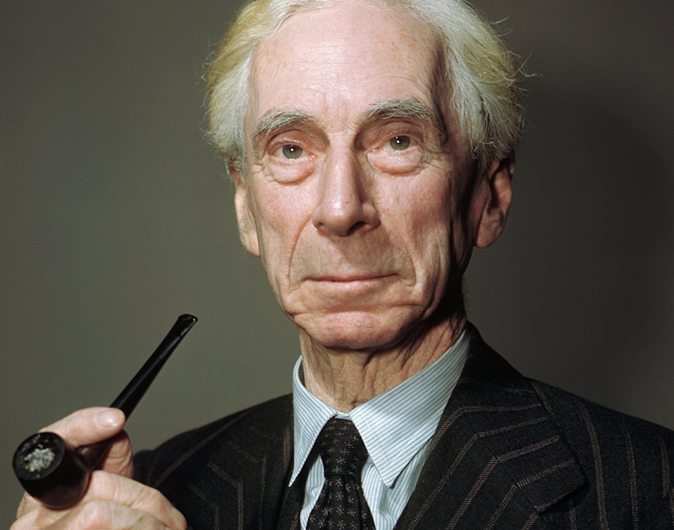


Bertrand Russell (1872 - 1970)

ABOUT THE AUTHOR

Bertrand Russell was a British philosopher, logician, mathematician, and public intellectual. He had influence on mathematics, logic, set theory, and various areas of analytic philosophy.

WHAT THE CHAPTER IS ABOUT?

This chapter explores the profound and multifaceted influence of economic factors on education throughout history. Russell examines how economic systems shape educational funding, the aims of education (like increased production), class structures and the type of education received, and the role of endowments and traditions. Russell argues that economic forces significantly shape educational systems across history and different nations. He examines this influence through five key lenses:

  1. the amount of money a state invests in education (influenced by economic prosperity);
  2. education's role in boosting production (especially via technical training and research);
  3. the impact of wealth distribution on class-based educational disparities;
  4. the conservative influence of endowments and religious bequests;
  5. and the lingering effects of past economic conditions on present-day educational traditions, particularly concerning sexual morality.

Author argues that economic systems, particularly capitalism, create inequalities in education, fostering competition and conservatism; and contrasts this with a hypothetical communist system, suggesting it could potentially lead to a more meritocratic and less socially divisive educational landscape.

KEY TERMS:

Aristocracy: 

A form of government where power is held by a privileged, hereditary ruling class.

Bureaucracy: 

A system of government where decisions are made by state officials rather than elected representatives.

Capitalism: 

An economic and political system in which a country's trade and industry are controlled by private owners for profit, rather than by the state.

Communism: 

A political and economic ideology that advocates for a classless society in which the means of production are owned and controlled by the community.

Economic Determinism: 

The theory that economic forces determine all other aspects of society, including culture, politics, and education.

Industrial Revolution: 

A period of major technological and social change that began in Great Britain in the late 18th century and spread to other parts of the world, marked by the introduction of new machinery, factories, and mass production.

Nationalism: 

A strong identification with one's nation, often accompanied by a belief in its superiority and a desire for its advancement.

Plutocracy: 

A society governed by the wealthy.

Rationalism: 

A belief in the power of reason and logic to understand the world.

Secular Culture: 

Culture that is not specifically religious in nature.

Socialism: 

A political and economic theory that advocates for social ownership or control of the means of production and distribution of goods and services.

Utilitarian: 

Relating to the philosophy of utilitarianism, which emphasizes actions that promote the greatest happiness for the greatest number of people.


That is all for today.

Comment and share your views on the given chapter. 

Do you agree with Russell?


Thank you. 

Comments

Popular posts from this blog

āŠ—ુāŠœāŠ°ાāŠĪી āŠŦિāŠē્āŠŪો : ‘āŠ•ંāŠ•ુ’, ‘āŠ­āŠĩāŠĻી āŠ­āŠĩાāŠˆ’ āŠ…āŠĻે ‘āŠ§ાāŠĄ’āŠĻા āŠļંāŠĶāŠ°્āŠ­ે

  āŠ†āŠŪ āŠœોāŠˆāŠ āŠĪો āŠ—ુāŠœāŠ°ાāŠĪી āŠŦિāŠē્āŠŪ āŠ‡āŠĻ્āŠĄāŠļ્āŠŸ્āŠ°ી āŠ–ૂāŠŽ āŠœૂāŠĻી āŠ›ે āŠ…āŠĻે āŠ•ેāŠŸāŠēાāŠŊ āŠŪāŠđāŠĪ્āŠĩāŠĻા āŠ•āŠēાāŠ•ાāŠ°ો āŠ…āŠĻે āŠŦિāŠē્āŠŪો āŠ†āŠŠી āŠšૂāŠ•ી āŠ›ે. āŠŠāŠ°ંāŠĪુ āŠ†āŠœેāŠŊ āŠ āŠ°ાāŠ·્āŠŸ્āŠ°ીāŠŊ-āŠ†ંāŠĪāŠ°āŠ°ાāŠ·્āŠŸ્āŠ°ીāŠŊ āŠļ્āŠĪāŠ° āŠŠāŠ° āŠ–ૂāŠŽ āŠœ āŠŠાāŠ›āŠģ āŠĶેāŠ–ાāŠŊ āŠ›ે. āŠ…āŠđીં , āŠđું āŠĪ્āŠ°āŠĢ āŠ—ુāŠœāŠ°ાāŠĪી āŠŦિāŠē્āŠŪો ‘ āŠ­āŠĩāŠĻી āŠ­āŠĩાāŠˆ ’ , ‘āŠ•ંāŠ•ુ ’ āŠ…āŠĻે ‘ āŠ§ાāŠĄ ’ āŠĩિāŠķે āŠĩાāŠĪ āŠ•āŠ°ીāŠķ, āŠ…āŠĻે āŠ—ુāŠœāŠ°ાāŠĪી āŠŦિāŠē્āŠŪોāŠĻાં āŠŠāŠŸ āŠŠāŠ° āŠĪેāŠŪāŠĻાં āŠŪāŠđāŠĪ્āŠĩ āŠĩિāŠķે āŠĩાāŠĪ āŠ•āŠ°āŠĩાāŠĻો āŠĻાāŠĻāŠ•āŠĄો āŠŠ્āŠ°āŠŊાāŠļ āŠ•āŠ°ીāŠķ. āŠ­āŠĩāŠĻી āŠ­āŠĩાāŠˆ (āŦ§āŦŊāŦŪāŦĶ) āŠ•ેāŠĪāŠĻ āŠŪāŠđેāŠĪા āŠĶ્āŠĩાāŠ°ા āŠĶિāŠ—્āŠĶāŠ°્āŠķિāŠĪ āŠŦિāŠē્āŠŪ ‘ āŠ­āŠĩāŠĻી āŠ­āŠĩાāŠˆ ’ āŦ§āŦŊāŦŪāŦĶāŠŪાં āŠŠ્āŠ°āŠĶāŠ°્āŠķિāŠĪ āŠĨāŠˆ āŠđāŠĪી āŠœે āŠ§ીāŠ°ુāŠŽāŠđેāŠĻ āŠŠāŠŸેāŠēāŠĻા āŠĻાāŠŸāŠ• āŠŠāŠ° āŠ†āŠ§ાāŠ°િāŠĪ āŠđāŠĪી , āŠ…āŠĻે āŠœાāŠĪિāŠĩાāŠĶāŠĻા āŠŪુāŠĶ્āŠĶા āŠĩિāŠķે āŠ–ૂāŠŽ āŠœ āŠ°āŠļāŠŠ્āŠ°āŠĶ āŠ°ીāŠĪે āŠĩાāŠĪ āŠ•āŠ°ે āŠ›ે. āŠ† āŠŦિāŠē્āŠŪāŠĻે āŠ°ાāŠ·્āŠŸ્āŠ°ીāŠŊ āŠ…āŠĻે āŠ†ંāŠĪāŠ°āŠ°ાāŠ·્āŠŸ્āŠ°ીāŠŊ āŠļ્āŠĪāŠ° āŠŠāŠ° āŠ–્āŠŊાāŠĪિ āŠŠ્āŠ°ાāŠŠ્āŠĪ āŠĨāŠˆ āŠ›ે. āŠŪાāŠ°ા āŠŪાāŠŸે āŠŦિāŠē્āŠŪāŠĻું āŠļāŠđુāŠĨી āŠŪāŠđāŠĪ્āŠĩāŠĻું āŠĶૃāŠķ્āŠŊ āŠķāŠ°ૂāŠ†āŠĪāŠĻી āŦŽ āŠļેāŠ•āŠĻ્āŠĄ્āŠļāŠŪાં āŠœ āŠœોāŠĩા āŠŪāŠģે āŠ›ે; āŠ āŠ•āŠđે āŠ›ે, āŠ…āŠļાāŠˆāŠĪ āŠ ાāŠ•ોāŠ° āŠ…āŠĻે āŠŽેāŠ°્āŠĪોāŠē āŠŽ્āŠ°ેāŠ–્āŠĪāŠĻે āŠļāŠŪāŠ°્āŠŠિāŠĪ. āŠ† āŠāŠ• āŠŦ્āŠ°ેāŠŪ āŠŦિāŠē્āŠŪāŠĻે āŠ—ુāŠœāŠ°ાāŠĪી āŠ…āŠĻે āŠĩૈāŠķ્āŠĩિāŠ• āŠĻાāŠŸ્āŠŊāŠŠāŠ°ંāŠŠāŠ°ા āŠļાāŠĨે āŠœોāŠĄી āŠ†āŠŠે āŠ›ે. ‘āŠ­āŠĩāŠĻી āŠ­āŠĩાāŠˆ’ (āŠĶિ. āŠŪāŠđેāŠĪા , āŦ§āŦŊāŦŪāŦĶ)       āŠŦિāŠē્āŠŪ āŠŠોāŠĪાāŠĻી āŠĩાāŠĪ āŠ•āŠđેāŠĩાāŠŪાં āŠ­āŠĩાāŠˆ āŠĻાāŠŸ્āŠŊāŠŠāŠ°ંāŠŠāŠ°ાāŠĻો āŠ‰āŠŠāŠŊોāŠ— āŠ•āŠ°ે āŠ›ે, āŠ…āŠĻે āŠāŠ• āŠĻāŠĩી āŠœ āŠĻેāŠ°ેāŠŸીāŠĩ āŠŠāŠĶ્āŠ§āŠĪિ...

"āŠ§ુāŠģāŠ•ી āŠĪાāŠ°ી āŠŪાāŠŊા āŠēાāŠ—ી": āŠāŠ• āŠ…āŠĩāŠēોāŠ•āŠĻ

āŠŦિāŠē્āŠŪ “ āŠ§ુāŠģāŠ•ી āŠĪાāŠ°ી āŠŪાāŠŊા āŠēાāŠ—ી ” āŠ°ાāŠ āŠĩા āŠļāŠŪાāŠœāŠĻી āŠāŠ• āŠŊુāŠĩāŠĪી , āŠ§ુāŠģāŠ•ી , āŠĻી āŠĩાāŠĪ āŠ•āŠ°ે āŠ›ે . āŠ† āŠŦિāŠē્āŠŪ ‘ āŠ°ાāŠ  ’ āŠĩિāŠļ્āŠĪાāŠ° āŠĪāŠ°ીāŠ•ે āŠ“āŠģāŠ–āŠĪા āŠ›ોāŠŸાāŠ‰āŠĶેāŠŠુāŠ° , āŠŠાāŠĩીāŠœેāŠĪāŠŠુāŠ° , āŠĻāŠļāŠĩાāŠĄી , āŠŽોāŠĄેāŠēી , āŠĩāŠ—ેāŠ°ે āŠœેāŠĩા āŠ—ાāŠŪāŠĄાંāŠ“āŠŪાં āŠ–ૂāŠŽ āŠļāŠŦāŠģ āŠĨāŠ‡ āŠđāŠĪી . āŠ† āŠĩિāŠļ્āŠĪાāŠ°āŠĻા āŠļિāŠĻેāŠŪાāŠ˜āŠ°ોāŠŪાં , āŠœ્āŠŊાં āŠŦિāŠē્āŠŪ āŠŦāŠ•્āŠĪ āŠĪ્āŠ°āŠĢ āŠĶિāŠĩāŠļ āŠšાāŠēāŠĪી , āŠ† āŠŦિāŠē્āŠŪ āŠŪāŠđિāŠĻાāŠ“ āŠļુāŠ§ી āŠšાāŠēી . āŠŠāŠ°ંāŠĪુ , āŠŪાāŠ°ા āŠ•ેāŠŸāŠēાāŠ• āŠŪાāŠđિāŠĪીāŠĶાāŠĪાāŠ“āŠĻા āŠŪāŠĪ āŠ…āŠĻુāŠļાāŠ° āŠ† āŠŦિāŠē્āŠŪ āŠ°ાāŠ āŠĩા āŠļāŠŪાāŠœ āŠĩિāŠ·ે āŠĻ āŠđāŠĪી . āŠĪો āŠŠāŠ›ી āŠ† āŠŦિāŠē્āŠŪ āŠ•ેāŠŸāŠēાāŠ• āŠšોāŠ•્āŠ•āŠļ āŠĩિāŠļ્āŠĪાāŠ°ોāŠŪાં āŠœ āŠ†āŠŸāŠēી āŠļāŠŦāŠģ āŠ•ેāŠŪ āŠĨāŠ‡ ? āŠŠ્āŠ°āŠļ્āŠĪુāŠĪ āŠŠેāŠŠāŠ° āŠāŠĻા āŠ•ેāŠŸāŠēાāŠ• āŠ•ાāŠ°āŠĢો āŠĩિāŠ·ે āŠĩાāŠĪ āŠ•āŠ°āŠķે , āŠ…āŠĻે āŠŦિāŠē્āŠŪāŠŪાં ‘ āŠ°ાāŠ āŠĩા ’ āŠ“āŠģāŠ– āŠ•āŠˆ āŠ°ીāŠĪે āŠ‰āŠ­ી āŠ•āŠ°āŠĩાāŠŪાં āŠ†āŠĩી āŠ›ે āŠĪેāŠĻા āŠĩિāŠ·ે āŠĩાāŠĪ āŠ•āŠ°āŠķે . āŠļાāŠŪાāŠœીāŠ• āŠ°ીāŠĪે āŠŠāŠ›ાāŠĪ āŠĩāŠ°્āŠ—āŠĻી āŠ‰āŠŠāŠēા āŠĩāŠ°્āŠ— āŠĪāŠ°āŠŦāŠĻી āŠ—āŠĪિ āŠœે āŠŦિāŠē્āŠŪāŠĻી āŠŪુāŠ–્āŠŊ āŠ•āŠĨાāŠĻો āŠ—āŠ°્āŠ­ીāŠĪાāŠ°્āŠĨ āŠ›ે , āŠœે āŠŦિāŠē્āŠŪāŠĻું āŠ…āŠĻ્āŠŊ āŠŠાāŠļુ āŠ°āŠœુ āŠ•āŠ°ે āŠ›ે . āŠĪāŠĶુāŠŠāŠ°ાંāŠĪ , āŠ†āŠŠāŠĢે āŠŦિāŠē્āŠŪ āŠ…āŠĻે āŠļāŠŪાāŠœāŠŪાં āŠŠ્āŠ°āŠļ્āŠĨાāŠŠિāŠĪ āŠŪાāŠēીāŠ•્āŠĩāŠ°્āŠ— āŠ…āŠĻે āŠŠીāŠĄીāŠĪāŠĩāŠ°્āŠ— āŠĩāŠš્āŠšેāŠĻા āŠŠાāŠ°āŠļ્āŠŠāŠ°િāŠ• āŠļંāŠŽંāŠ§ોāŠĻે āŠŠāŠĢ āŠœોāŠˆāŠķું . ***                 āŠŪાāŠĢāŠļ āŠļāŠđુāŠĨી āŠŠāŠđેāŠēા āŠāŠ• āŠŪાāŠĢāŠļ āŠ›ે , āŠ§āŠ°્āŠŪ , āŠœાāŠĪિ , āŠĩંāŠķ , āŠŽāŠ§ું āŠœ āŠĪેāŠĻી āŠŪાāŠĻāŠĩāŠĪા āŠ…āŠĻે āŠŪાāŠĻāŠĩāŠ§āŠ°્āŠŪ āŠļાāŠŪે āŠ—ૌāŠĢ āŠ›ે . āŠ†āŠĩો āŠļāŠ°āŠļ āŠļંāŠĶેāŠķો āŠ°āŠœુ āŠ•āŠ°āŠĪી...

Mikhail Bakhtin and his Dialogic Imagination

Book: The Dialogic Imagination: Four Essays (1981) Author: M. M. Bakhtin Translated by: Caryl Emerson & Michael Holquist Edited: Michael Holquist Austin & London: University of Texas Press "The Dialogic Imagination: Four Essays" by Mikhail Bakhtin is already considered a classic not only from the perspective of literary genre but also as an important work on the philosophy of language. The present book contains the four essays: 1. Epic and Novel, 2. From the Prehistory of Novelistic Discourse, 3. Forms of Time and of the Chronotope in the Novel, 4. Discourse in the Novel and an Introduction and Glossary by the editor. The essays are a commentary on the  historical development of novel form and how it is different from the other literary form. His argument is that as the novel form is different from the other literary forms, we need a different type of stylistic and poetic analysis and dogmas for that in order to truly evaluate the Novel. He tries ...